The Death of Death in the Death of Christ
John Owen · 1648
The classic case that Christ's death did not merely make salvation possible for everyone, but actually won it for his people.
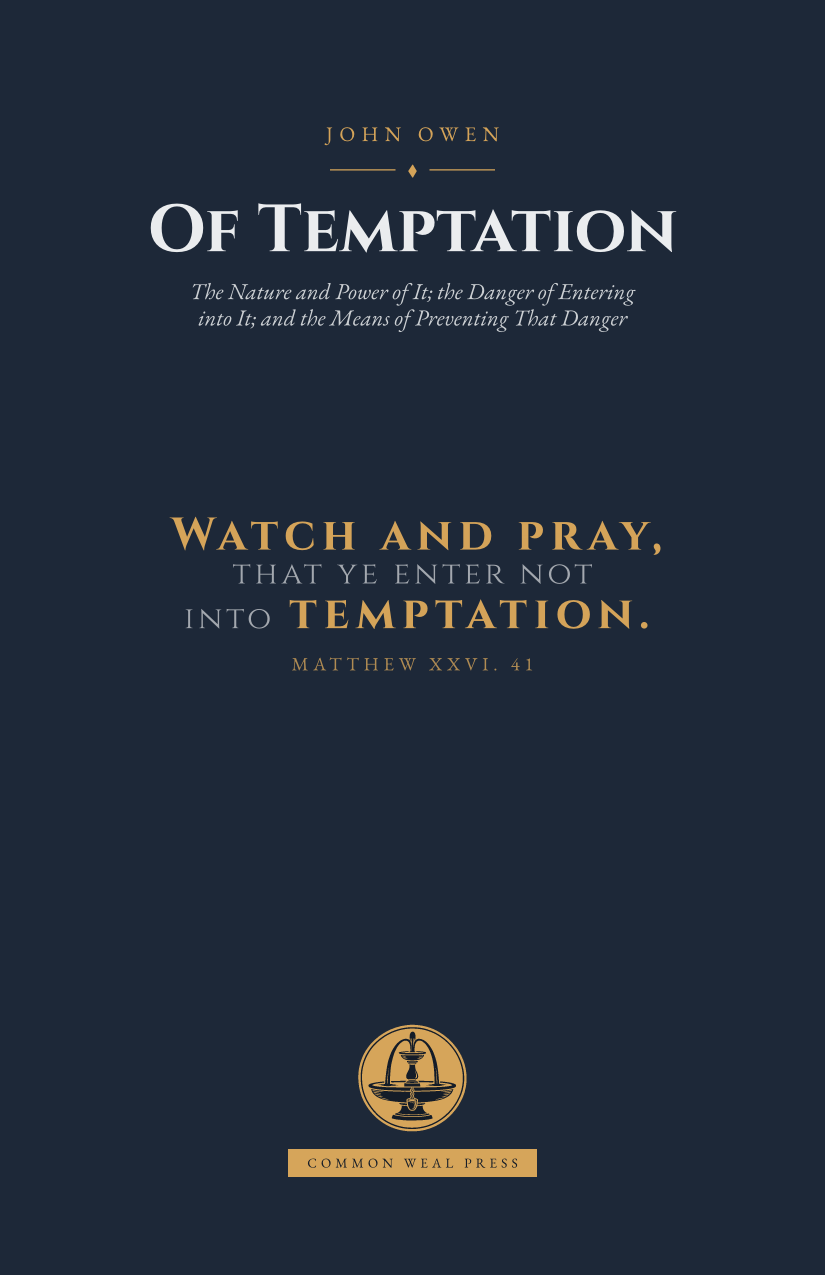
1658 · Sin & temptation
The Nature and Power of It
In the garden of Gethsemane Jesus told his sleepy disciples, “Watch and pray, that ye enter not into temptation.” Owen asks what it means to “enter into” temptation, and how anyone can avoid it.
Temptation, he says, is less about one dramatic moment than a slow drift: an opportunity, a mood, a little self-confidence. He shows how to notice it early and what to do when you do. A short book and a companion to The Mortification of Sin.
Free to read and download.
For churches, schools and local printers: the print-ready files are exactly what we send to Lulu, with the cover's spine sized to the page count. Print as many as you like.
Then & Now
Here is a paragraph from “Chapter I,” as it was first printed and as you'll read it in this edition.
As printed in 1658
p. 7 Againe actively conſidered, it either denotes in the Tempter, a deſigne for the bringing about of the ſpeciall end of temptation, namely a leading into evill; ſo it is ſaid, that God tempts no man, Jam. 1. 13. with a deſigne for ſinne, as ſuch: or the Generall nature, and end of Temptation which is Triall; ſo God tempted Abraham, Gen: 21. 1. And he proveth, or tempteth by falſe prophets, Deut. 13. 3.
Today
Again, actively considered, it either denotes in the tempter a design for the bringing about of the special end of temptation, namely, a leading into evil; so it is said, that “‸God tempts no man,‸” Jas 1:‸13, with a design for sin‸ as such;—‸or the general nature‸ and end of temptation, which is trial; so “‸God tempted Abraham,” Gen 22:‸1. And he proveth‸ or tempteth by false prophets, Deut‸ 13:‸3.
About this edition
Owen's Of Temptation from the first edition (Oxford, 1658), EEBO-TCP A90277, its printer's errata and the transcription's slips corrected, with Goold's text (1850-53) as the guide to modern wording.
72.7% of the words are exactly as printed. Most of the rest are spelling and punctuation; only 3.4% changed in grammar or wording. Every change is recorded, and you can see each one in Then & Now.
Open Then & NowSources
Checked against
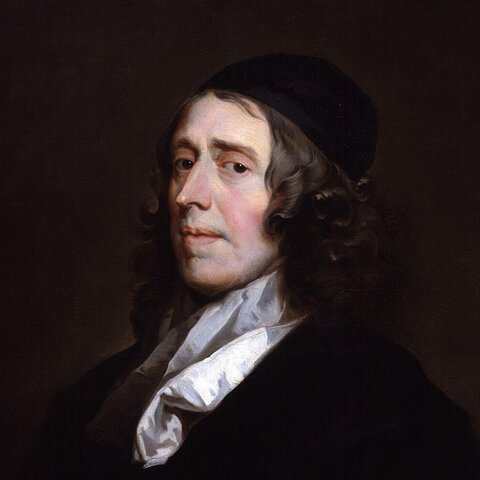 About the authorJohn Owen 1616–1683Oxford scholar, chaplain to Cromwell, and a doctor of the soul.