1700 · Simony · Church & ministry
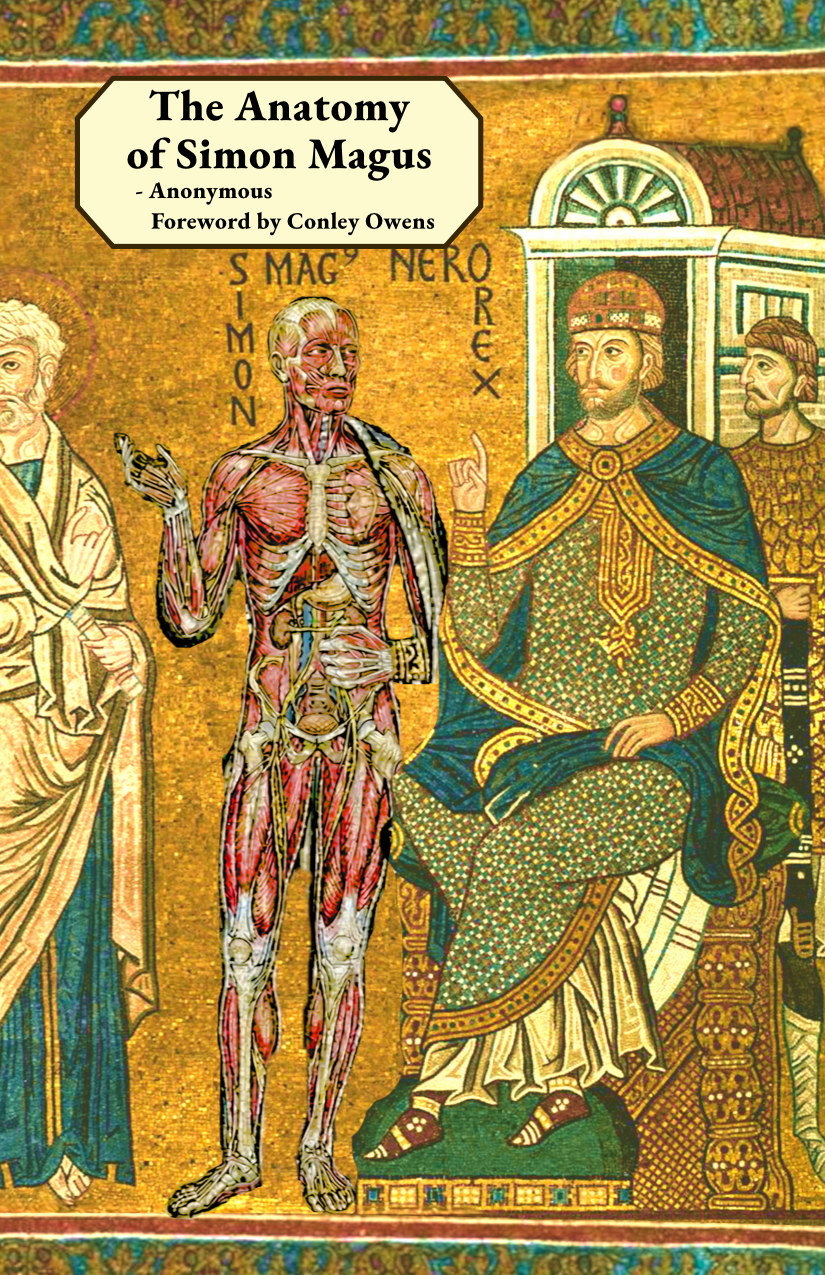
The Anatomy of Simon Magus
Or, The Sin of Simony Laid Open
In Acts 8, Simon Magus, a magician in Samaria, offered the apostles money for the power to give the Holy Spirit, and Peter told him that the gift of God could not be bought. The church named the sin after him: simony, making merchandise of the free gifts of God, whether a post in the church, the Word, the sacraments or ordination.
In England in 1700 such things were still bought and sold, church posts above all, though few called it simony. This anonymous author wrote to lay the sin open: what it is, the ways it is committed, why it does such harm, and what the Bible and the law say about it. This edition adds translations of the Latin, a foreword, and a guide to the abbreviations.
- About 2 hours to read (31,000 words)
- A substantial, demanding read
- Readers interested in church history and the ethics of money and power.
Read it your way
Free to read and download. Paperbacks are coming soon. They will be printed on demand and sold at cost: we make nothing on them.
For churches, schools and local printers: the print-ready files are exactly what we send to Lulu, with the cover's spine sized to the page count. Print as many as you like.
Then & Now
What did 1700 look like?
Here is a paragraph from “Of the Nature of Simony, What It Is,” as it was first printed and as you'll read it in this edition.
As printed in 1700
3dly, With good Reaſon I may ſay, That whoſoever buys or ſells a Benefice, or Preſentation thereto, buys and ſells the Office alſo: For it is a known Maxim, Cauſa cauſae, eſt cauſa cauſati: That which is the Cauſe of the Cauſe, is the Cauſe alſo of the Effect.
Today
Thirdly, with good reason I may say, that whoever buys or sells a benefice, or presentation thereto, buys and sells the office also. For it is a known maxim, Causa causae, est causa causati (‸That which is the cause of the cause, is the cause also of the effect).
About this edition
Faithful, and easier to read
The 1700 printing in modern spelling and grammar, with translations of the Latin, a foreword and an abbreviations guide; two slips of the author's corrected (Jehu the Seer, Apollos).
68.7% of the words are exactly as printed. Most of the rest are spelling and punctuation; only 2.6% changed in grammar or wording. Every change is recorded, and you can see each one in Then & Now.
Open Then & Now- First published
- 1700
- Made from
- The 1700 London printing (EEBO-TCP A25330)
How this edition was made
Sources
- Source files
- This edition on GitHub
- Licence
- Public domain (CC0): copy and share freely
- Found a mistake?
- Tell us
 About the authorAnonymous c. 1700Books whose writers chose to stay unnamed.